

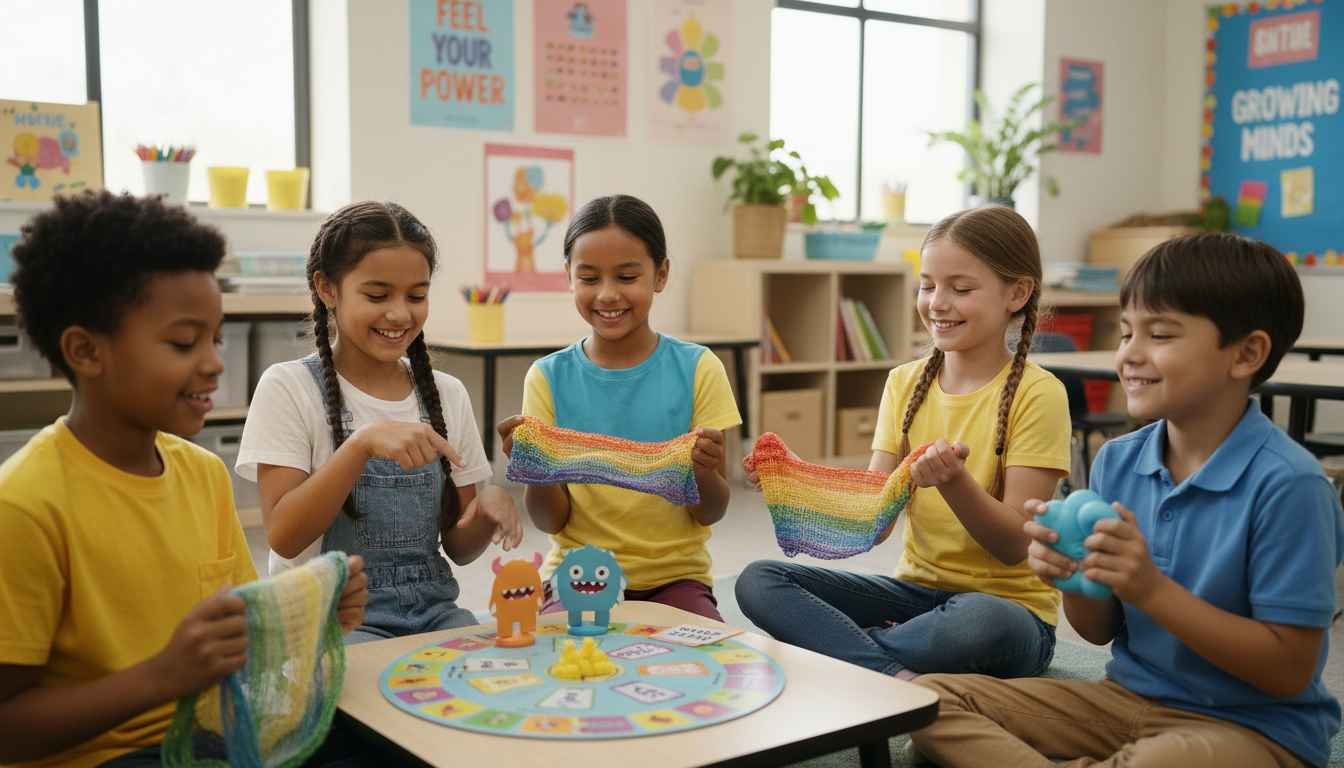
Imagine waking up tomorrow and your child feels a sense of calm instead of dread when faced with daily challenges. Anxiety in children can manifest subtly through fidgeting, restlessness, or avoidance of certain activities. One of the most effective ways to help kids navigate these feelings is through structured, playful interventions that make managing anxiety approachable and engaging.
Incorporating anxiety games into a child’s daily routine can transform moments of stress into opportunities for growth and self-discovery. These games not only provide emotional relief but also teach coping mechanisms, mindfulness, and problem-solving skills that stay with children as they grow. By making the practice of emotional regulation playful, children are more likely to engage consistently and internalize these skills.
Quick Definitions
Anxiety Games: Structured activities designed to reduce stress and improve coping skills in children.
Mindfulness: The practice of paying attention to the present moment without judgment.
Emotional Regulation: The ability to manage and respond to emotional experiences in healthy ways.
Grounding Techniques: Methods to help children stay present and reduce overwhelming feelings.
Cognitive-Behavioral Skills: Strategies to identify and change negative thought patterns.
Morning Routine: Starting the Day Calmly
Children often begin their day feeling anxious due to anticipatory stress about school or social interactions. Starting with a short game designed to reduce tension can create a positive tone for the day. One effective morning activity is the “Feelings Map” game. In this game, children draw or place stickers on a chart representing how they feel that morning. Parents or caregivers can guide children to describe the intensity of each feeling using a scale of 1 to 5. This simple visual exercise helps kids recognize and articulate their emotions before the day begins.
Another approach is a “Mindful Movement” game, where children stretch, jump, or move to music while focusing on breathing. Integrating music and movement stimulates the nervous system in a positive way and sets up a framework for calmness that can last through morning routines.
Midday Games: Managing School Stress
During school hours, children may encounter anxiety triggers such as exams, social interactions, or performance pressures. Short, discreet games can help them manage these moments. “The 5-4-3-2-1 Grounding Game” is one example. Children identify five things they can see, four things they can touch, three sounds they hear, two things they can smell, and one thing they can taste. This exercise brings attention away from anxiety-provoking thoughts and into the present moment, making it a practical tool for classrooms or playgrounds.
Another effective midday activity is the “Positive Spin” game. Children write down one negative thought or worry and then work with a caregiver or teacher to reframe it into a positive or manageable statement. This promotes cognitive-behavioral skills and encourages resilience.
Afternoon Routine: Creative Expression
After school, children benefit from games that allow emotional expression through creativity. Art and storytelling games provide a safe outlet for processing feelings. In the “Emotion Collage” game, children cut or draw images from magazines or craft materials that represent their feelings throughout the day. Discussing the collage encourages reflection and helps children understand that emotions are natural and manageable.
Another approach is “Hero Roleplay,” where children imagine themselves as a superhero facing a fear or challenge. Through imaginative play, children can experiment with problem-solving and develop confidence in facing real-life anxieties.
In today’s digital age, gaming has become an integral part of childhood, offering not only entertainment but also valuable learning experiences. As parents, ensuring that children engage in safe and creative gaming practices is paramount. That’s where our comprehensive guide comes in. By exploring the world of hacking games for kids, we aim to provide insights that empower both kids and parents to navigate this exciting landscape. From understanding game mechanics to fostering creativity, this masterclass will equip you with the tools needed to make gaming a positive and enriching experience for your children.
Evening Routine: Calming Down Before Bed
Evening anxiety can disrupt sleep, so incorporating calming games into the bedtime routine is essential. The “Worry Jar” game encourages children to write down worries on slips of paper and place them in a jar, symbolically releasing their stress. Parents can review the slips with children to provide guidance and reassurance, helping them transition into sleep with a sense of closure.
“Guided Imagery Adventure” is another beneficial game. Children close their eyes while a caregiver narrates a peaceful journey, such as floating on a cloud or walking through a forest. This imaginative exercise reduces cortisol levels, promotes relaxation, and improves sleep quality.
Weekend Routine: Strengthening Skills Through Play
Weekends provide extended opportunities to reinforce anxiety management skills through more elaborate games. Outdoor activities such as “Nature Scavenger Hunt” combine movement with mindfulness. Children focus on collecting items or observing details in nature, which helps redirect attention away from anxious thoughts while enhancing focus and curiosity.
Board games or cooperative games that require turn-taking and problem-solving also build emotional regulation skills. Games such as “Feelings Charades” allow children to act out emotions for others to guess, increasing emotional literacy and empathy.
Behind the Scenes: How These Games Were Selected
The games listed above were selected based on research from child psychologists and behavioral specialists, as well as practical experience in child advocacy and therapy settings. Studies indicate that playful interventions significantly reduce anxiety symptoms in children, with effects most pronounced when activities are consistent and integrated into daily routines. For example, cognitive-behavioral play activities have been shown to decrease anxiety symptoms by up to 40% over eight weeks of consistent practice.
American SPCC has incorporated these findings into its child-focused programs, emphasizing that structured, playful approaches provide both immediate relief and long-term coping skills. You can learn more about these initiatives and explore additional resources at American SPCC.
Who Should Avoid This or Potential Drawbacks
While anxiety games are generally safe, children with severe anxiety disorders or underlying medical conditions should not rely solely on games for management. In such cases, professional consultation is recommended. Some children may also find certain expressive games uncomfortable, especially if they are not ready to discuss their feelings openly. It’s important to approach each activity flexibly and adjust games based on the child’s comfort level.
Consistency is Key
The ultimate benefit of anxiety games for kids comes from regular practice. Integrating these games into daily routines helps children internalize coping strategies, making them second nature over time. By creating a predictable structure that includes morning, midday, afternoon, evening, and weekend activities, caregivers can provide a stable environment that supports emotional growth and resilience.
Ultimately, anxiety games empower children to face challenges with confidence and calm. When play is intentional and guided, it becomes a powerful tool to help children understand their emotions, practice self-regulation, and enjoy a sense of security and mastery over their own experiences.