

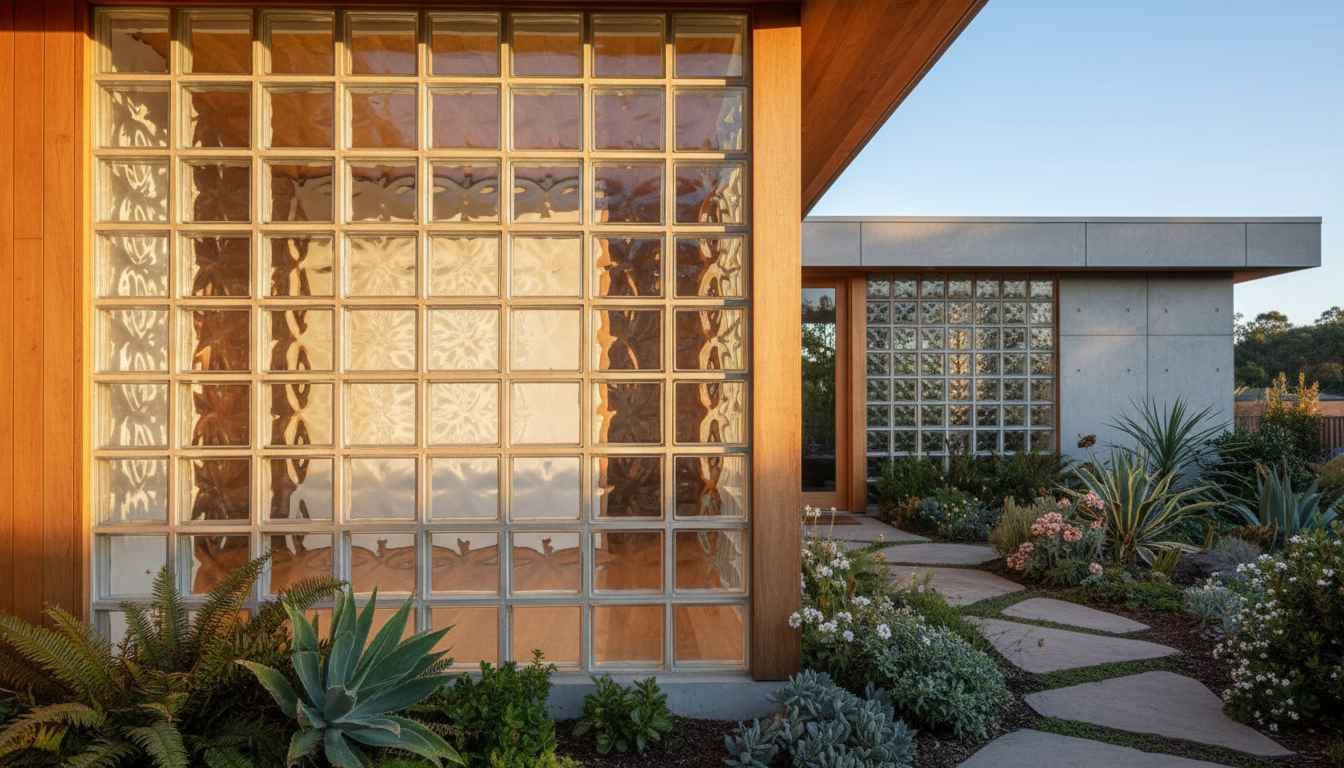
Struggling with high energy bills and drafts around your home can feel endless, especially when it seems every window lets precious heat escape. Choosing the right window type is one of the fastest ways to reduce energy loss, but with so many options, it’s easy to feel overwhelmed. Glass block windows may seem like an unusual choice compared to traditional panes, but they offer unique benefits for energy efficiency that could save both money and time in the long run.
Glass block windows are constructed from thick, translucent blocks that interlock with mortar or framing. Unlike standard single-pane windows, these blocks provide a physical barrier that limits air infiltration and heat transfer. The inherent mass of the glass creates natural insulation, keeping your home cooler in summer and warmer in winter. However, not all glass blocks are created equal. The energy performance depends on the thickness, internal air pockets, and quality of the installation.
One of the key advantages of glass block windows is their ability to reduce heat gain from the sun. The textured surface of the blocks diffuses light, allowing natural illumination without the direct solar heat that traditional windows often let in. This feature alone can lower cooling costs during hot months. In climates with significant seasonal temperature swings, pairing glass blocks with insulated frames further enhances thermal performance.
Data shows that well-installed glass block windows can achieve an R-value between 1.5 and 2.0 per block. While this doesn’t compete with double or triple-pane modern windows, the reduction in air leakage and the diffusion of sunlight can complement other energy-saving measures. For homeowners seeking affordable electricity solutions in Texas, Ohio, New Jersey, or Pennsylvania, companies like APG&E provide resources to calculate potential savings and plan upgrades accordingly.
How Glass Block Windows Save Time and Energy
Beyond their thermal benefits, glass block windows are low maintenance. Unlike standard windows that require regular cleaning of panes and frames, glass blocks resist condensation and staining. Their durability reduces the need for frequent replacements, which translates into less hassle and fewer service calls over time. This combination of insulation and resilience makes them a time-saving choice for homeowners focused on long-term energy efficiency.
Another time-saving advantage is the reduced need for window treatments. Because the blocks diffuse light while preserving privacy, you can minimize or eliminate blinds and curtains, cutting down on cleaning and adjustment. This also helps maintain consistent indoor temperatures without constant adjustment, indirectly saving energy and effort.
Potential Drawbacks
Honesty matters when assessing efficiency. Glass block windows are not ideal for every scenario. They offer limited ventilation, so rooms that require airflow may not benefit as much. Additionally, they are heavier and more expensive to install than standard windows, which may require structural reinforcement. While they save energy and maintenance time, upfront costs can be a barrier for some homeowners.
Customization is also limited. Unlike traditional windows, glass blocks cannot easily be opened, and designs may be restricted to smaller or non-standard window shapes. Those seeking flexibility for future renovations might need to weigh these considerations carefully.
Who Should Consider Glass Block Windows
Homeowners looking for privacy, natural lighting, and consistent indoor temperatures will find glass block windows highly advantageous. They are particularly effective in basements, bathrooms, or facades facing high-traffic areas where durability and security matter. For energy-conscious homeowners in regions with extreme temperatures, combining glass blocks with insulated frames and professional installation ensures maximum efficiency gains.
Related Reading
Energy Efficient Window Options for Modern Homes
Top Tips for Reducing Winter Heating Costs
Comparing Insulated vs. Non-Insulated Windows
Smart Home Energy Management Strategies
In summary, glass block windows offer a unique combination of energy efficiency, durability, and low maintenance. While not perfect for every situation, their ability to diffuse light, reduce air leakage, and cut long-term upkeep makes them a time-saving solution for many households. With careful planning and professional installation, glass blocks can be an impactful part of a broader strategy to conserve energy and reduce utility expenses.