

Key Takeaways
– Arts and entertainment insurance safeguards financial stability against unforeseen incidents.
– Coverage ranges from event cancellation and liability to equipment and intellectual property protection.
– Understanding exclusions and limitations is crucial to avoid coverage gaps.
– Certain high-risk activities or professions may face higher premiums or limited coverage.
When Prince’s infamous 1987 tour suffered a series of canceled shows due to unforeseen illness and equipment failures, the financial fallout was staggering. Millions in ticket refunds and lost revenue could have been mitigated with the right insurance coverage. This high-profile example underscores how unpredictable the arts and entertainment industry can be, and why tailored insurance solutions are critical for artists, performers, and production companies.
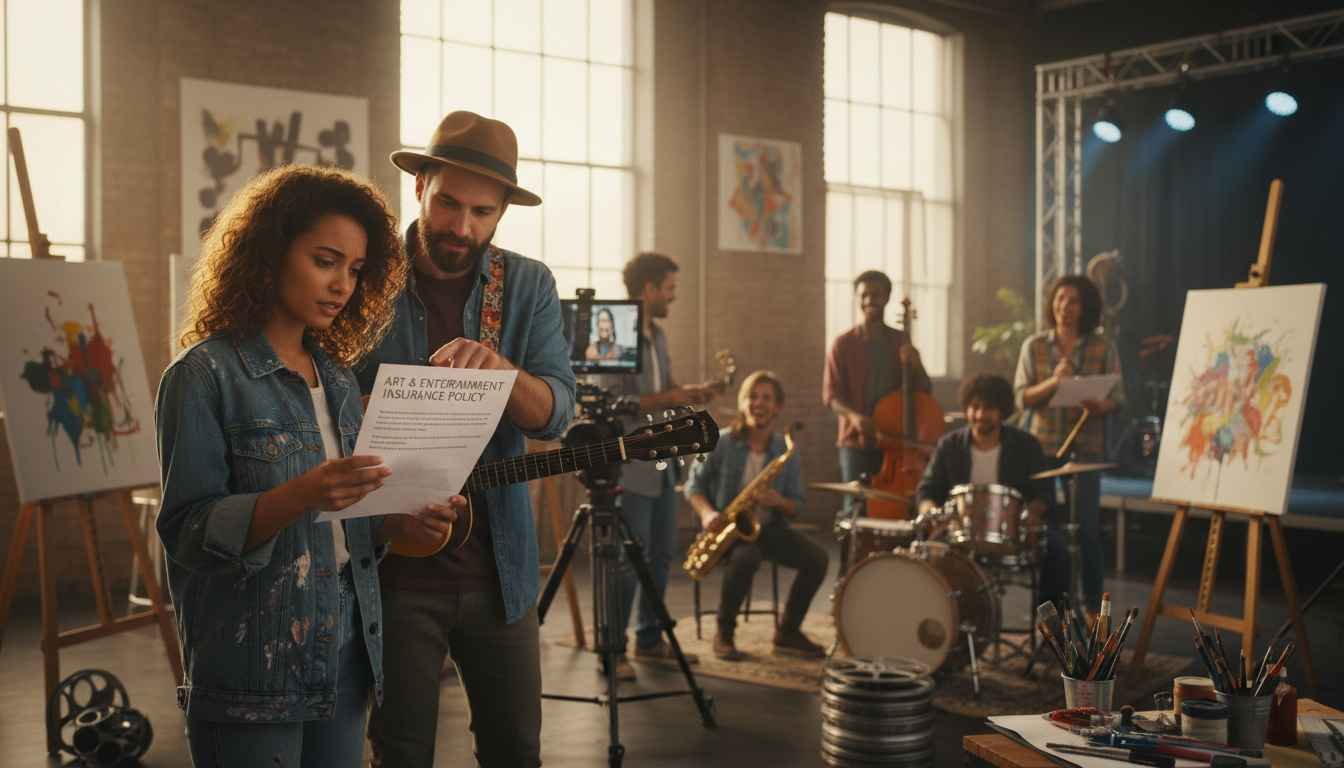
Arts and entertainment insurance is designed to protect creators, performers, and production teams from financial losses stemming from unexpected events. Unlike standard business insurance, this specialized coverage addresses risks unique to creative industries, including event cancellations, equipment damage, liability claims, and intellectual property disputes.
For live performances, coverage often includes cancellation insurance, which reimburses costs if a show is postponed or canceled due to circumstances beyond the artist’s control. Equipment insurance protects valuable instruments, cameras, and production gear, which can be costly to replace. Liability insurance shields performers and producers against third-party claims arising from accidents or injuries during events, rehearsals, or on set.
Understanding the nuances of this coverage is essential. Policies may vary in terms of exclusions, deductibles, and claim limits. For instance, natural disasters, pre-existing conditions, or acts of terrorism may not be covered under standard policies. Creative professionals must carefully review these details to ensure comprehensive protection. For deeper industry insights and trends, visit Hypebot, which offers news and guidance relevant to music and entertainment professionals navigating these risks.
Types of Coverage
Arts and entertainment insurance encompasses several key areas. Event cancellation coverage compensates for lost revenue when unforeseen circumstances disrupt performances or shows. Equipment coverage protects against damage, theft, or loss of high-value gear, ensuring continuity of production. General liability insurance is essential for venues, production companies, and individual performers to manage claims resulting from injuries or property damage. Finally, intellectual property insurance can defend against copyright infringement lawsuits, a growing concern in the digital age.
Additionally, some policies offer specialized coverage such as non-appearance insurance for performers who cannot attend shows due to illness or travel issues, and cast insurance for film and theater productions to cover losses if a key actor becomes unavailable. Understanding the differences between these coverage types enables industry professionals to select policies that align with their specific needs.
Potential Drawbacks
While arts and entertainment insurance offers significant protection, it is not without limitations. High-risk activities, such as stunts, pyrotechnics, or extreme sports performances, may result in elevated premiums or even denial of coverage. Coverage gaps may exist if policies are not carefully tailored, leaving critical assets or events unprotected. Additionally, claims processes can be complex and require detailed documentation, which may be challenging for small-scale or independent artists.
Professionals should also be aware of exclusions in liability coverage. For example, policies might not cover intentional acts of negligence or contractual disputes. Consulting with an insurance broker familiar with the entertainment sector is often necessary to navigate these nuances effectively.
Who Should Consider Arts and Entertainment Insurance?
This type of insurance is vital for musicians, touring performers, production companies, theaters, festivals, and media producers. Essentially, anyone whose work involves public performances, expensive equipment, or collaborative productions stands to benefit. Even small-scale artists and freelancers can safeguard their income and professional reputation by securing the appropriate coverage.
Choosing the right policy involves evaluating risk exposure, potential financial impact, and regulatory requirements. For example, large-scale productions may require multiple layers of coverage, including liability, property, and event-specific policies, while independent musicians might focus on instrument and liability coverage primarily.
Conclusion
In an industry defined by unpredictability, arts and entertainment insurance is not a luxury – it is a strategic safeguard. From protecting against canceled events to covering expensive equipment and mitigating liability, tailored insurance solutions ensure that creative professionals can focus on their craft without undue financial risk. By understanding coverage types, exclusions, and potential drawbacks, industry participants can make informed decisions that preserve both their artistic vision and financial stability.