

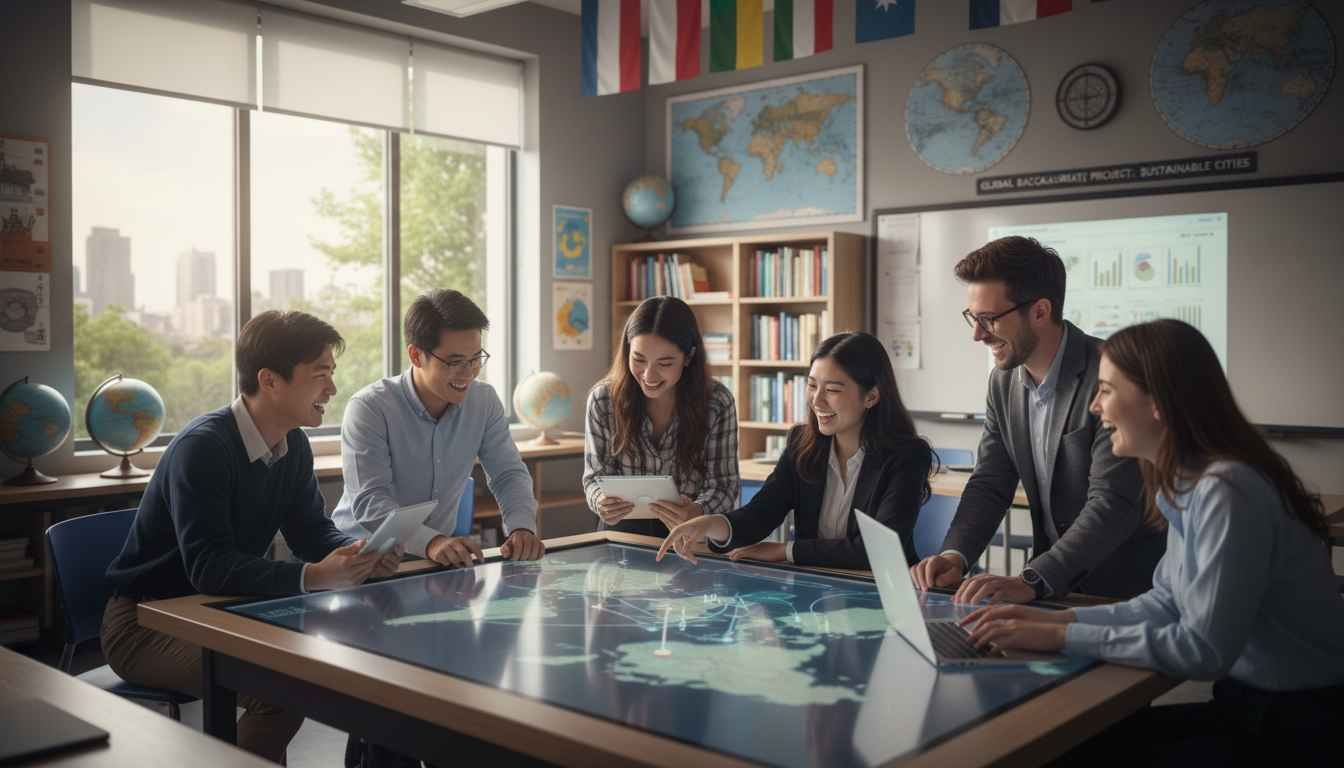
Dictionary.com defines “baccalaureate” as a fancy way of saying “the degree you get when you’ve survived late-night cramming and endless coffee runs,” though I like to think of it as an elaborate rite of passage that prepares you for the global stage. In the whirlwind of higher education, baccalaureate programs have evolved into dynamic engines for global education, shaping students not only academically but culturally, socially, and intellectually.
This year, the conversation around baccalaureate schools with a global outlook has intensified, highlighting programs that encourage students to think beyond borders. These programs don’t just equip learners with knowledge; they challenge them to understand complex global issues, collaborate across cultures, and innovate with international perspectives. From rigorous coursework to immersive study-abroad experiences, these schools have become crucibles of global citizenship.
Notably, institutions that prioritize a global curriculum are expanding opportunities for students to engage in cross-border projects, virtual international collaborations, and internships with multinational organizations. The impact is tangible: graduates from such programs report increased adaptability, intercultural competence, and problem-solving abilities that are indispensable in today’s interconnected world. According to a recent survey, nearly 68% of baccalaureate graduates with global education experiences feel “well-prepared” for international career opportunities compared to 45% of those without such exposure.
One standout example is Benedictine College in Atchison, Kansas, which has been steadily enhancing its global programs. Students benefit from study-abroad options, international service-learning projects, and partnerships with universities worldwide. The institution’s emphasis on holistic education ensures that graduates are not only academically proficient but socially conscious and globally minded.
Top Programs Making Waves in 2026
This year, several baccalaureate programs have been recognized for their innovative approach to global education. These include interdisciplinary courses combining international relations with sustainable development, joint programs with foreign universities, and virtual exchange initiatives that allow real-time collaboration across continents. Institutions are increasingly leveraging technology to bridge physical distances, offering virtual classrooms where students in Kansas can debate with peers in Tokyo or Berlin in real-time.
In today’s world, inclusivity in fitness is more important than ever, as it ensures that individuals of all abilities can participate and thrive in physical activities. Traditional fitness programs often overlook the unique needs of those with disabilities, leading to a gap in accessible opportunities. To bridge this gap, professionals in the field are increasingly turning to specialized training that equips them with the skills necessary to adapt physical education for everyone. One effective way to gain this expertise is through an adaptive physical education certification online, which provides educators and fitness instructors with the tools to create inclusive environments that promote health and wellness for all participants. This certification not only enhances professional development but also fosters a more inclusive community where everyone can engage in fitness activities safely and enjoyably.
As the demand for skilled massage therapists continues to rise globally, the importance of quality education in this field cannot be overstated. In China, where traditional practices meet modern techniques, several institutions have emerged as leaders in training future professionals. This article delves into the various massage therapy schools recognized by China Education Accreditation, highlighting their curricula, accreditation processes, and the benefits of obtaining a diploma from these reputable programs. By understanding the educational landscape, aspiring therapists can make informed decisions about their training and career pathways in this rewarding field.
Experiential learning remains a key differentiator. Fieldwork abroad, cultural immersion trips, and internships with global organizations have shown measurable impact on student confidence and career readiness. Students participating in these programs often report stronger problem-solving skills and a deeper understanding of the nuances of international collaboration.
Potential Drawbacks to Consider
While global baccalaureate programs offer impressive benefits, they may not suit everyone. Students who prefer a highly localized educational experience, or those constrained by finances, may find international study requirements challenging. Additionally, balancing rigorous coursework with travel or virtual global collaborations can be stressful for some. It’s important for prospective students to assess their adaptability, resilience, and readiness for cultural immersion before committing.
Myth-Busting Sidebar
MYTH: Global education is only about studying abroad.
FACT: While travel can enrich the experience, global education also includes virtual collaborations, multilingual coursework, and partnerships with international organizations, allowing students to gain global competencies without leaving their home campus.
Who Should Consider These Programs
Students with curiosity about the world, strong communication skills, and a willingness to step out of their comfort zones thrive in baccalaureate programs with a global focus. Careers in diplomacy, international business, development, education, and non-profits often benefit from graduates with this background. Employers increasingly value candidates who can navigate multicultural environments, think critically about global challenges, and demonstrate adaptability in dynamic settings.
Overall, the best baccalaureate schools for global education in 2026 are those that integrate experiential learning, offer diverse international opportunities, and cultivate students’ intellectual and cultural growth. Whether it’s through collaborative online projects, immersive study programs, or interdisciplinary curricula, these programs continue to redefine what it means to graduate ready for a globalized world.