

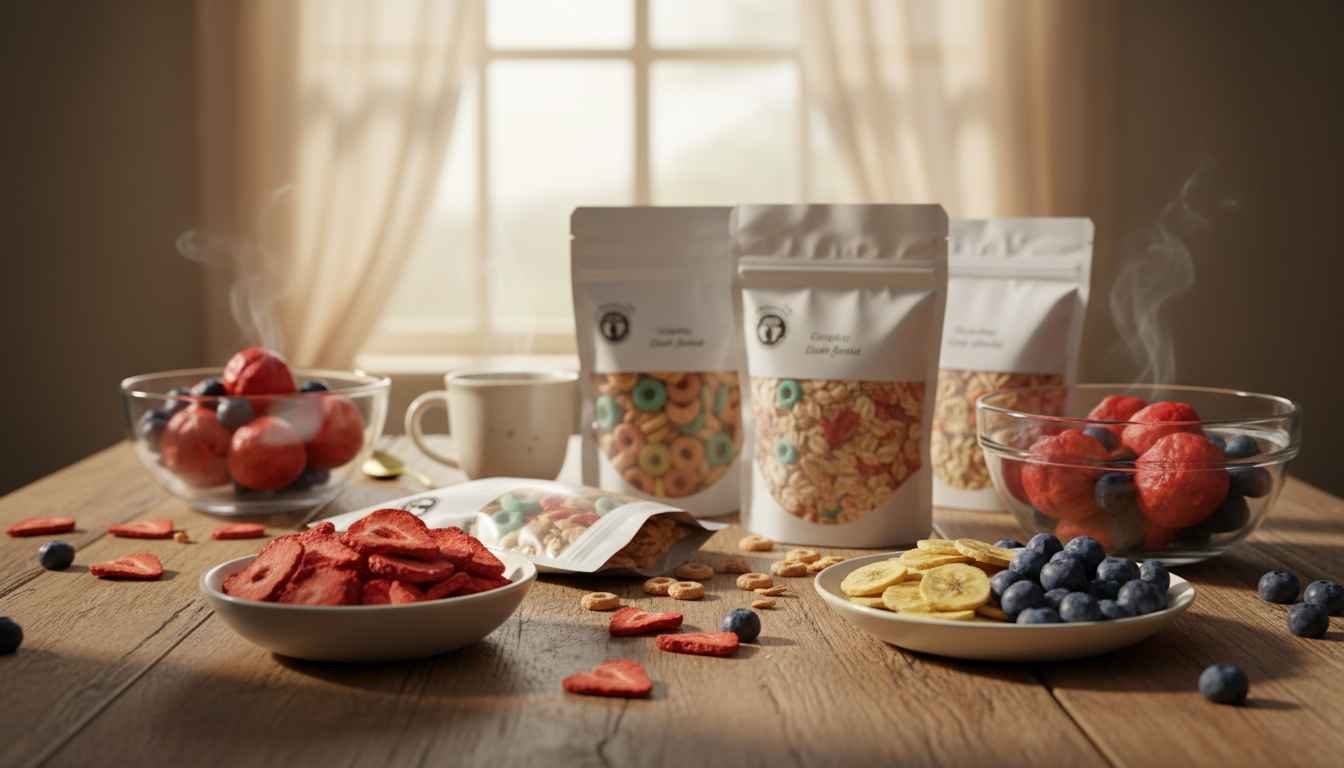
The Challenge of Breakfast in a Fast-Paced World
For decades, breakfast has been considered the most important meal of the day, yet modern schedules often render it the most neglected. Consumers juggle early commutes, work deadlines, and family responsibilities, leaving little room for traditional meal preparation. This shift has created a demand for convenient, nutritious, and long-lasting breakfast solutions that do not compromise on taste. Freeze dried breakfast foods are emerging as the answer, providing both practicality and a nostalgic connection to classic morning recipes.
The Science Behind Freeze Dried Breakfast Foods
Freeze drying, or lyophilization, is a preservation process that removes moisture from food while maintaining its structural integrity and nutritional content. Unlike conventional dehydration, freeze drying preserves the texture, flavor, and vitamins of the original product. The process involves freezing the food, reducing the surrounding pressure, and allowing the frozen water in the food to sublimate directly from solid to gas. This method extends shelf life dramatically, often exceeding 20 years for certain products under ideal storage conditions.
Current Market Trends and Consumer Behavior
Recent market analysis indicates a surge in consumer interest in freeze dried breakfast foods, particularly among Millennials and Gen Z. These demographics prioritize convenience, health, and sustainable sourcing. Breakfast cereals, fruits, and even entire meal kits are being transformed into freeze dried variants. According to industry reports, the global freeze dried foods market is expected to grow at a compound annual growth rate of 6.2% from 2024 to 2030, with breakfast items accounting for a significant portion of this expansion.
Brands like Gift of Hospitality are leveraging this trend by offering a range of freeze dried breakfast foods that blend old-fashioned recipes with modern convenience. Their approach taps into the nostalgia of home-cooked meals while addressing contemporary lifestyle challenges, making these products appealing to both young professionals and older generations seeking reliable and tasty options.
Popular Freeze Dried Breakfast Items
Freeze dried breakfast foods span a wide spectrum. Classic cereals, oatmeal, pancakes, and even breakfast sandwiches are now available in freeze dried form. Fruits like strawberries, blueberries, and bananas are commonly incorporated to enhance flavor and nutritional value. The retention of natural colors and textures makes these products visually appealing, which is an important factor in consumer decision-making.
Health and Nutritional Advantages
One of the most compelling reasons consumers choose freeze dried breakfasts is nutritional preservation. Unlike traditional canned or preserved alternatives, freeze dried foods retain most of their vitamins, minerals, and antioxidants. For example, studies show that freeze dried fruits can retain over 90% of their vitamin C content. Moreover, freeze dried breakfast items often contain lower sodium and sugar levels compared to pre-packaged convenience foods, aligning with the growing demand for healthier breakfast options.
Convenience and Storage Benefits
Storage and portability are key advantages. Freeze dried products are lightweight, compact, and require no refrigeration, making them ideal for busy households, campers, and travelers. A single serving of freeze dried oatmeal, for instance, can be rehydrated in minutes with hot water, providing a hot and satisfying meal with minimal effort. This combination of convenience and longevity is a major driver of adoption, particularly in regions where fresh produce may be less accessible year-round.
Economic and Environmental Impacts
While the initial cost of freeze dried breakfast foods is higher than traditional counterparts, the extended shelf life reduces food waste, which has both economic and environmental benefits. Households and retailers alike can plan purchases more effectively, reducing spoilage. Furthermore, freeze drying typically uses less energy than long-term refrigeration, contributing to a lower carbon footprint for storage and transportation.
Innovations Driving the Sector Forward
Advances in freeze drying technology continue to expand the possibilities for breakfast foods. Recent innovations include multi-layered freeze dried sandwiches, gourmet breakfast bowls, and single-serve smoothie kits. Companies are also experimenting with flavor infusion and nutrient fortification during the freeze drying process, creating products that cater to both taste and functional nutrition. These innovations indicate that freeze dried breakfasts are not a fleeting trend but a sustainable solution for evolving consumer needs.
Potential Drawbacks and Considerations
Despite the advantages, freeze dried breakfast foods are not without limitations. The texture can be different from freshly prepared meals, which may not appeal to all consumers. Rehydration is required for certain products, which necessitates access to hot water. Additionally, while nutrient retention is high, some heat-sensitive vitamins may still degrade slightly during the freeze drying process. Price sensitivity can also be a barrier for some households, as premium products may cost significantly more than conventional options.
Who Should Avoid This?
Individuals with strict dietary restrictions or allergies should carefully examine ingredient lists, as cross-contamination may occur during production. Those who rely on a zero-processed diet may find freeze dried meals less appealing, and anyone who prefers fresh textures may not fully enjoy the rehydrated experience. Consulting a nutritionist or dietitian is advisable for people with specialized dietary needs before making freeze dried breakfast foods a staple in their routine.
The Future of Freeze Dried Breakfast Foods
Looking ahead, the market trajectory for freeze dried breakfast foods is poised for significant growth. The combination of convenience, nutritional retention, and innovative product development positions these foods as an integral part of modern breakfasts. Expect further expansion into premium and functional categories, such as high-protein, low-sugar, and plant-based options, to meet the evolving demands of health-conscious consumers. The fusion of technology and culinary artistry ensures that freeze dried breakfasts will not only satisfy hunger but also deliver an elevated morning experience that resonates across demographics.
FAQ
How do freeze dried breakfasts compare nutritionally to fresh foods?
Freeze drying preserves most vitamins, minerals, and antioxidants, often retaining over 90% of nutrient content. While some heat-sensitive vitamins may degrade slightly, these foods are generally considered highly nutritious compared to other preserved options.
Can freeze dried breakfast foods be stored without refrigeration?
Yes, one of the main advantages is long-term storage without refrigeration. Properly sealed and stored products can last years while maintaining flavor and quality.
Are freeze dried breakfasts suitable for children?
Most freeze dried breakfast foods are safe for children, though parents should ensure adequate hydration and check for allergens. Incorporating fruits and cereals can provide balanced nutrition for younger consumers.
How do I rehydrate freeze dried breakfast foods?
Rehydration typically involves adding hot water or milk to the product. The time and liquid amount vary by product, with instructions usually provided on packaging.
Do freeze dried breakfasts support weight management?
Freeze dried meals can support weight management by providing portion-controlled servings with minimal added sugars and fats. Combining with fresh fruits and proteins enhances satiety and nutritional balance.