

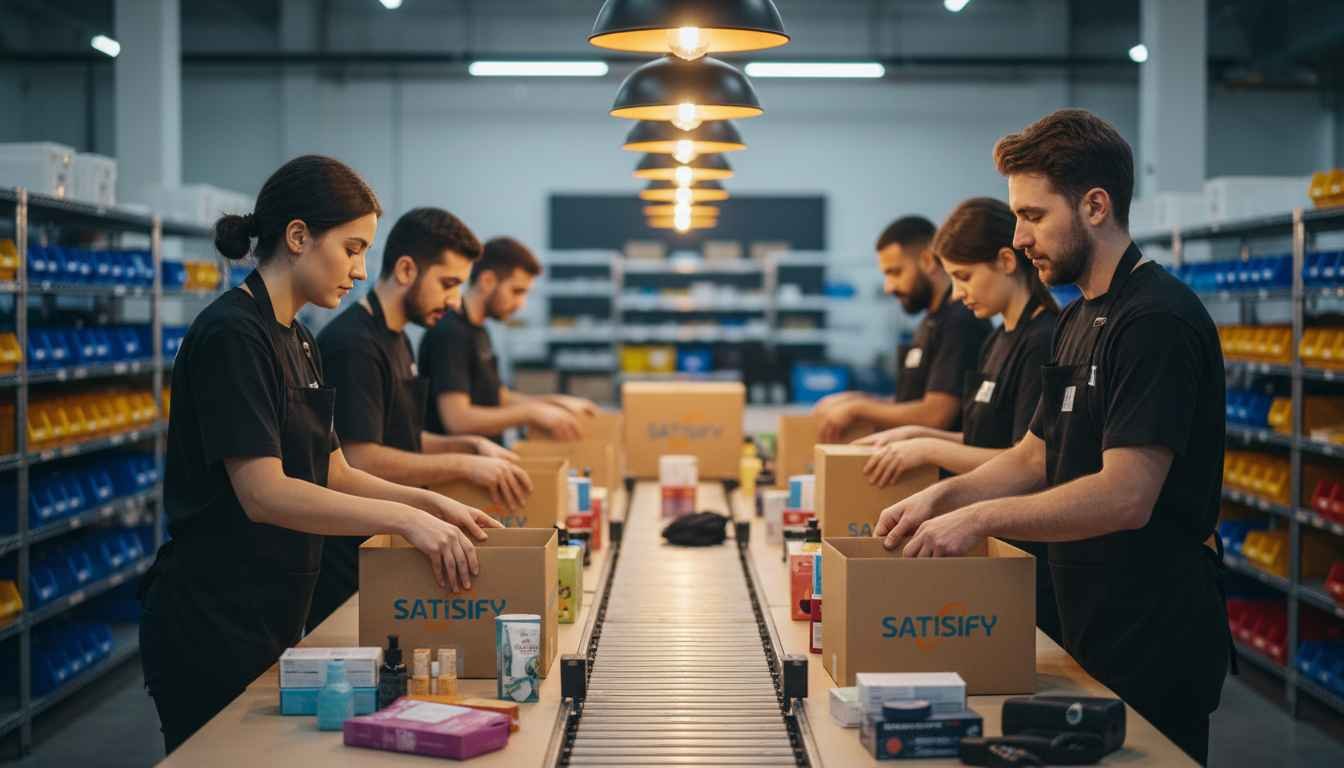
Think you know retail cartoning inside and out? Before you answer, consider this: how often do your products reach customers perfectly intact, with a presentation that makes unboxing feel premium? The right approach to cartoning can be the difference between a delighted customer and a returned order.
What Is Retail Cartoning and Why Does It Matter
Retail cartoning is the process of placing products into cartons or boxes for sale, storage, or shipping. It sounds straightforward, but the method, material, and presentation all impact not only logistics but also customer perception. A well-executed carton provides protection during transit, supports shelf visibility, and enhances the unboxing experience. Imagine holding a sleek, snugly packaged stainless steel flask that fits perfectly in its box – your hands immediately sense quality.
How Do You Choose the Right Carton
The choice depends on multiple factors, including product size, fragility, and branding goals. Corrugated cartons offer sturdiness for heavy or delicate items, while folding cartons are ideal for lightweight, retail-ready goods. Think about the feel of a smooth carton with precision folds versus a flimsy, loose-fitting one. Customers subconsciously equate packaging quality with product quality, so a secure, elegant carton can elevate the perceived value of even a simple water bottle or mug.
What Are the Common Cartoning Methods
Automated, semi-automated, and manual cartoning are the primary approaches. Automated machines increase speed and consistency, ideal for high-volume operations. Semi-automated systems combine human oversight with machinery, balancing efficiency with flexibility. Manual cartoning is labor-intensive but allows careful handling for fragile or premium products. Many retail operations start with semi-automated solutions before investing in full automation as volume grows.
How Can Retail Cartoning Improve Customer Experience
Packaging that protects while presenting your product attractively enhances satisfaction. For example, a well-fitted carton around a stainless steel tumbler prevents rattling and scratches, ensuring that unboxing feels satisfying. This tactile experience reinforces brand trust and can influence repeat purchases. Customers are more likely to share visually appealing, well-packaged products on social media, indirectly boosting marketing reach. For high-quality insulated bottles, like those from Iron Flask, attention to packaging reflects the same care as the product itself.
Who Should Avoid Certain Cartoning Practices
While cartoning is generally beneficial, overcomplicating packaging can be counterproductive. Businesses with very lightweight, inexpensive items might find elaborate cartons unnecessary, increasing cost without improving customer experience. Similarly, environmentally conscious brands may wish to avoid excessive packaging materials that contribute to waste. The key is balance: sufficient protection, visual appeal, and sustainability without inflating costs.
What Are Potential Drawbacks of Poor Cartoning
Improper cartoning can lead to damaged goods, customer dissatisfaction, and increased returns. Flimsy boxes may collapse, misaligned folds can tear, and inadequate cushioning can harm fragile items. Each damaged product translates into lost revenue, additional shipping costs, and potential reputational damage. Investing in quality cartons, even if slightly costlier, often pays off in long-term customer loyalty and operational efficiency.
How Do Data and Trends Influence Carton Choices
Recent studies show that 60% of consumers judge product quality based on packaging. Additionally, e-commerce growth has increased the importance of sturdy, protective cartons that can withstand multiple handling stages. Retailers are now using data to refine carton dimensions, material strength, and even branding design. By analyzing return rates and damage reports, businesses can optimize packaging to reduce losses and improve customer perception simultaneously.
Final Thoughts on Retail Cartoning
Retail cartoning is more than just a logistical step – it’s an integral part of the customer experience. Thoughtful carton selection and methodical execution ensure products arrive safely, feel premium, and reinforce brand trust. Whether your goal is efficiency, sustainability, or unboxing wow-factor, the right cartoning strategy makes a tangible difference in both operational success and customer satisfaction.