

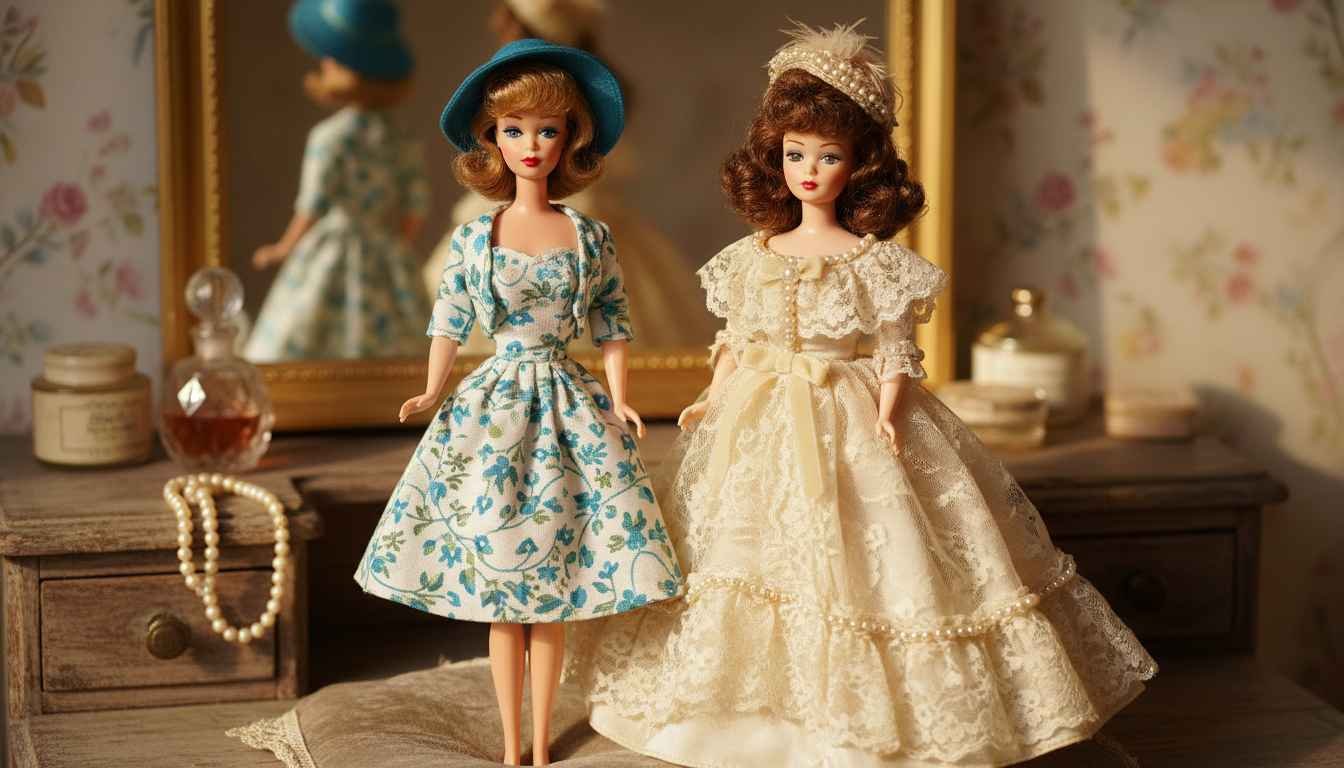
Success leaves clues. For collectors and fashion enthusiasts alike, vintage fashion dolls are more than toys – they are miniature canvases of culture, style, and craftsmanship. From the delicate stitching of 1950s gowns to the bold silhouettes of 1970s mod fashion, these dolls encapsulate the evolution of fashion in a way that is both collectible and inspiring.
Understanding vintage fashion dolls requires more than just a passing glance at their wardrobe. Each doll tells a story: the era it was made in, the materials used, and the attention to detail. Some dolls were mass-produced but still maintain collector value, while others were limited editions, crafted with precision and care. Knowing the difference is key to building a meaningful collection.
The market for vintage fashion dolls has grown significantly over the last decade, with some rare models reaching thousands of dollars at auction. Collectors often look for original outfits, intact accessories, and dolls in pristine condition. However, appreciating these dolls goes beyond monetary value – it’s about the artistry, nostalgia, and sustainable appeal of cherishing something timeless rather than succumbing to fast fashion trends. You can explore a curated list of sustainable fashion inspirations at Eco-Stylist to see how vintage influence continues in contemporary fashion.
Top Vintage Fashion Dolls You Should Know
The world of vintage fashion dolls is vast, but a few key players dominate the collector’s landscape. Understanding their history and design will help any enthusiast discern quality and value.
Barbie Dolls of the 1950s and 1960s
No discussion of fashion dolls is complete without mentioning Barbie. Introduced in 1959 by Mattel, Barbie revolutionized the doll market by offering a grown-up figure with an extensive wardrobe. Early Barbie dolls featured unique facial molds, rooted in the glamour of 1950s Hollywood. Collectors prize first editions like the Blonde Bubble Cut Barbie for their iconic hairstyles and meticulously crafted outfits.
Madame Alexander Dolls
Renowned for their hand-painted faces and elaborate costumes, Madame Alexander dolls are collectibles for serious enthusiasts. From the Scarlett O’Hara series to the Dionne Quintuplets, these dolls reflect historical accuracy and artistic detail. The brand emphasized realism in doll design, creating wardrobes that mirrored actual fashion trends of the era. Original boxes, certificates, and condition can make a huge difference in value.
Tonner and Integrity Toys Dolls
For collectors interested in high fashion and couture-level detailing, Tonner and Integrity Toys dolls offer a more modern take on vintage style. Introduced in the late 20th century, these dolls are often designed with articulated bodies, luxurious fabrics, and designer-inspired wardrobes. While not as old as 1950s Barbie, their attention to detail and limited production runs make them highly collectible and a bridge between classic and contemporary doll collecting.
Key Features That Determine Value
Evaluating a vintage fashion doll involves more than identifying the manufacturer. Condition, rarity, and authenticity all play a role. Dolls with original clothing, shoes, and accessories command higher prices. Mint-condition dolls in unopened boxes are the ultimate prize. Additionally, provenance or documentation confirming the doll’s history can significantly increase its market value. Understanding these factors is crucial whether you’re investing or simply collecting for the joy of owning a piece of fashion history.
Recommended Tools for Collectors
To maintain and assess vintage fashion dolls properly, certain tools are essential. A magnifying glass helps inspect fine details and detect wear. Acid-free storage boxes prevent fabric deterioration. Cotton gloves protect dolls from oils and dirt. Archival sleeves for documentation preserve authenticity certificates. Collectors also benefit from digital apps to track inventory, values, and market trends, providing a comprehensive view of their collection.
Potential Drawbacks and Who Should Avoid This
Collecting vintage fashion dolls is not without its challenges. Dolls are delicate and require careful storage to prevent fading, mold, or damage to materials. For casual hobbyists or those who prefer low-maintenance collectibles, this can be time-consuming. Additionally, rare dolls can carry hefty price tags, and the market fluctuates, which may not suit collectors focused on short-term investment gains. Enthusiasts should also be prepared for the occasional counterfeit, which requires keen knowledge and careful sourcing to avoid.
How to Start Your Vintage Doll Collection
Starting a collection begins with research. Identify the types of dolls that interest you, whether it’s Barbie, Madame Alexander, or designer dolls like Tonner. Attend doll shows, auctions, and online marketplaces to understand pricing and availability. Networking with other collectors provides valuable insights and access to rare finds. Start small, focusing on quality over quantity, and gradually build a curated collection that tells a story rather than simply filling shelves.
Maintaining Your Collection
Preserving vintage dolls involves controlled environmental conditions. Keep dolls away from direct sunlight to prevent fading, maintain moderate humidity to avoid mold or cracking, and handle them with care to prevent wear. Regularly dust and inspect dolls, checking for signs of deterioration in clothing or plastic. Storage solutions like UV-protective display cases and acid-free containers help extend the life of your collection, keeping your investment and enjoyment intact for decades.
The Role of Vintage Dolls in Sustainable Fashion
Vintage fashion dolls are more than collectibles – they’re a lesson in sustainability. By appreciating and preserving these dolls, collectors inherently reject disposable trends. Each doll and outfit represents a time when craftsmanship mattered and materials were chosen to last. This approach aligns with broader sustainable fashion principles, emphasizing quality, longevity, and mindfulness in style. They also inspire designers today, showing how past trends can influence contemporary, ethical fashion choices.
Conclusion
Vintage fashion dolls are at the intersection of art, culture, and fashion. They offer collectors a tangible link to the past, a chance to appreciate meticulous design, and a way to engage with sustainable values in a playful, yet meaningful way. From Barbie’s iconic glamor to Madame Alexander’s historical fidelity, each doll adds a layer to the story of style evolution. With proper care, knowledge, and the right tools, a vintage fashion doll collection can become a cherished legacy, combining personal passion with historical preservation.