
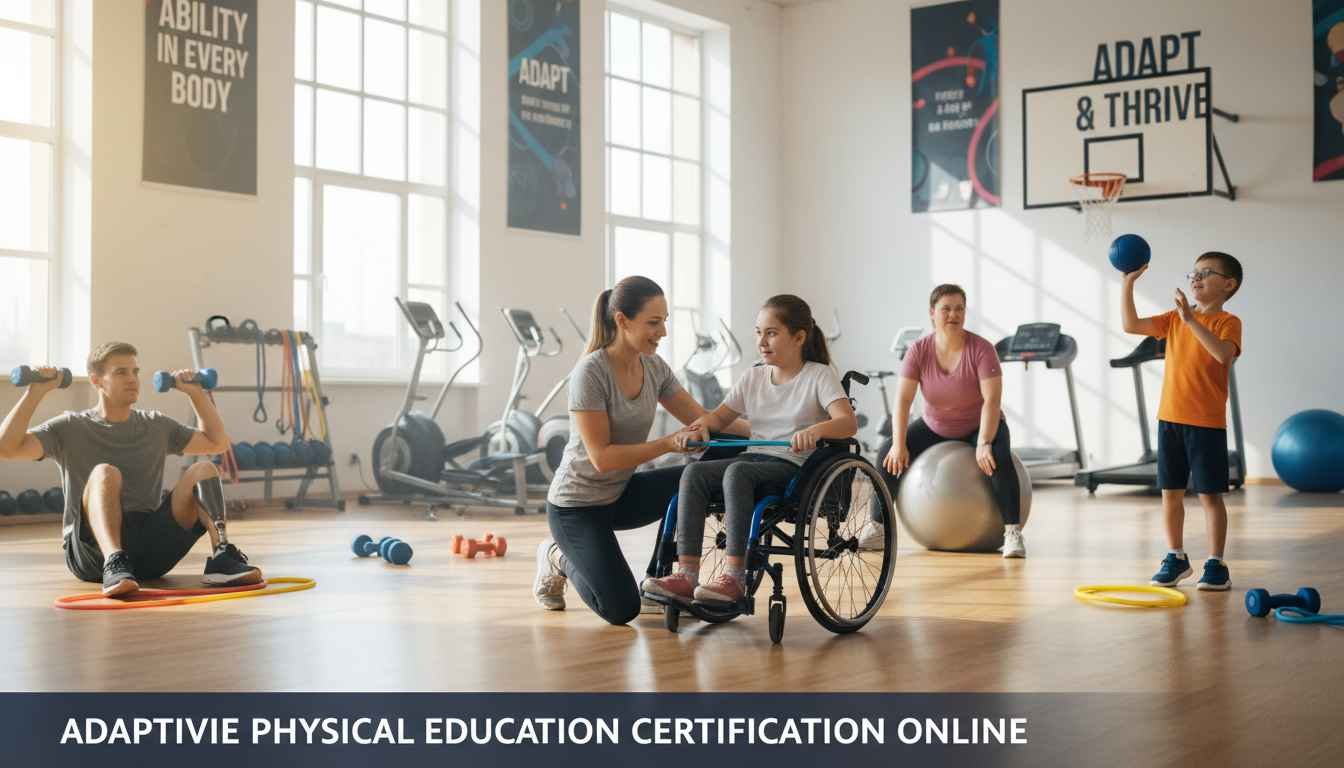
Success leaves clues. In the evolving world of physical education, inclusivity is no longer optional – it is essential. Adaptive physical education (APE) is designed to provide tailored programs for students with diverse physical, cognitive, and sensory needs. Professionals trained in APE ensure that all individuals, regardless of ability, have the opportunity to engage in meaningful physical activity. An online certification in adaptive physical education equips educators, coaches, and fitness professionals with the knowledge and tools to create inclusive environments that foster growth, confidence, and wellness.
Adaptive physical education certification online combines flexibility with expert-led instruction. Through structured modules, interactive content, and case studies, learners gain practical skills applicable in schools, community programs, and therapeutic settings. The online format allows students to progress at their own pace, balancing professional responsibilities with academic goals. By the end of the program, graduates are prepared to assess individual needs, design appropriate modifications, and implement safe, effective, and engaging activities.
For those interested in advancing their career in physical education, JCU Australia offers accredited courses that emphasize evidence-based practices. The curriculum integrates research, policy, and hands-on strategies, ensuring that certified educators meet global standards of excellence while promoting inclusivity and equity in physical activity programs.
Glossary of Terms in Adaptive Physical Education
Adaptive Physical Education (APE)
APE is a specialized area of physical education focused on modifying activities to accommodate the unique needs of students with disabilities or developmental differences. The goal is to promote physical, social, and emotional growth through participation rather than competition alone.
Individualized Education Plan (IEP)
An IEP is a formal document outlining personalized learning objectives for students with disabilities. In APE, IEPs guide the development of modified physical activities tailored to each student’s strengths and challenges.
Functional Mobility Assessment
This evaluation measures a student’s ability to perform basic physical tasks such as walking, running, or transferring between positions. The assessment helps educators determine necessary adaptations to activities and equipment.
Inclusive Practices
These strategies ensure that all students, regardless of ability, participate in physical education. Examples include peer support systems, adaptive equipment, and flexible activity options that respect individual capacities.
Motor Skills Development
Motor skills refer to the coordination and control of muscles needed for movement. In APE, instructors focus on fine and gross motor skill development to enhance daily functioning and participation in recreational activities.
Universal Design for Learning (UDL)
UDL principles guide the creation of learning environments that accommodate diverse learners. In physical education, this may involve offering multiple ways to perform an activity or providing alternative methods of engagement to meet varied abilities.
Behavioral Intervention Strategies
These approaches are used to manage and support positive behavior in students who may have emotional or behavioral challenges. Effective strategies ensure a safe and inclusive learning environment during physical activities.
Benefits of Earning an Adaptive Physical Education Certification Online
Online APE certification equips educators with comprehensive skills that have far-reaching benefits. Graduates can:
Enhance Career Opportunities
Certified professionals are eligible for roles in schools, community centers, rehabilitation clinics, and sports programs. This qualification positions educators as experts in inclusive fitness, opening doors to leadership and consulting opportunities.
Develop Specialized Expertise
Through targeted coursework, learners gain knowledge in areas such as developmental disabilities, sensory impairments, and cognitive challenges. This expertise allows instructors to implement evidence-based practices confidently.
Flexible Learning
Online programs offer the ability to balance professional responsibilities with personal commitments. Interactive modules, recorded lectures, and practical assignments create an accessible learning environment for busy professionals.
Promote Inclusive Communities
Graduates can design programs that ensure students of all abilities experience the physical, social, and emotional benefits of movement. Inclusive practices contribute to more equitable educational environments and foster lifelong wellness habits.
Potential Drawbacks
While online APE certification offers flexibility and accessibility, certain limitations exist. Hands-on experience is crucial for understanding physical cues and implementing adaptive techniques effectively. Professionals without prior exposure to diverse student populations may need additional mentorship or supervised practice to refine their skills. Additionally, some programs can be costly or require significant time commitment, which may pose challenges for working educators.
Alternative Options
For those seeking less intensive pathways, short courses, workshops, and micro-credentials in adaptive physical education are available. Community organizations often offer in-person training or hybrid programs at a lower cost, providing practical experience without the full investment of a formal certification. Professional associations may also provide webinars and continuing education units focused on inclusive fitness, suitable for educators on limited budgets.
Myth-Busting Sidebar
Myth: Adaptive physical education is only for students with severe disabilities.
Fact: APE supports a wide spectrum of abilities, including mild learning differences, sensory challenges, and temporary injuries. Its purpose is to make physical activity accessible to all, not just those with significant impairments.
Who Should Avoid This?
Individuals uninterested in working with diverse populations or those who prefer traditional physical education settings without modifications may find APE less relevant. Likewise, professionals seeking a quick certification without engaging in practical application may not gain the full benefits, as experience in adaptive strategies is essential for meaningful impact.
Implementation Strategies for Certified Educators
Once certified, educators can apply their knowledge in several ways:
Assessment and Customization
Perform comprehensive evaluations of student abilities and tailor exercises accordingly. Incorporate assistive devices, modify rules, and adapt the pace of activities to ensure all participants can succeed.
Collaboration with Specialists
Work alongside occupational therapists, physiotherapists, and special education teachers to create holistic programs that address physical, cognitive, and social development.
Program Design and Innovation
Develop inclusive lesson plans and creative strategies that encourage participation, foster peer support, and celebrate individual achievements. Using technology, such as interactive fitness apps, can enhance engagement and track progress.
Data and Evidence Supporting Adaptive Physical Education
Research indicates that students participating in adaptive physical education experience improved physical fitness, social skills, and self-esteem. A study published in the Journal of Adapted Physical Activity found that inclusive PE programs increased participation rates by over 40% and significantly enhanced student motivation. The integration of adaptive techniques is not only ethical but demonstrably effective in promoting lifelong wellness.
Conclusion
Adaptive physical education certification online represents a powerful tool for educators and fitness professionals committed to inclusion and equity. With flexible learning options, evidence-based strategies, and practical applications, this certification equips individuals to make a tangible difference in the lives of students with diverse needs. By embracing adaptive practices, certified educators create environments where all participants can thrive, enjoy physical activity, and develop confidence in their abilities.