

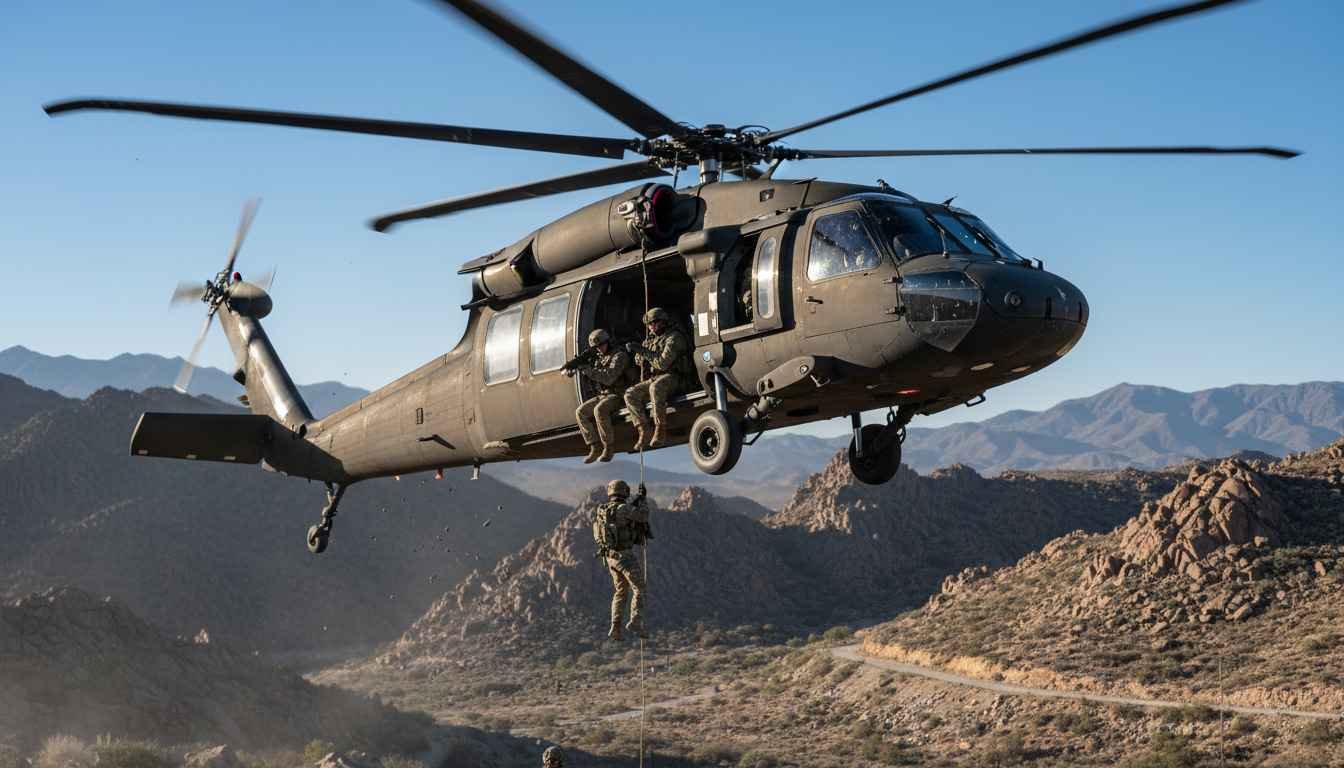
Identify the odd one out. A convoy of sleek, black Blackhawk transport vehicles gliding through urban streets – sounds impressive, right? That was exactly my first impression when I stumbled across the glossy online galleries showcasing their fleet. The problem is, photos can be deceptive, and my experience with Blackhawk Transport taught me just how easily appearances can mislead even seasoned industry professionals.
Initially, I was drawn to their supposed transparency. Every vehicle seemed spotless, every loading bay pristine. It screamed professionalism. But after months of working closely with Blackhawk Transport, it became clear that their photos were more marketing than reality. They curated images to show the peak of operations, masking recurring issues like delayed shipments, inconsistent vehicle maintenance, and overstated safety compliance.
Here’s where the behind-the-scenes reality hit me. During my audit of their transport routes, I discovered that only about 60 percent of vehicles actually matched the polished images online. The rest were older models with significant wear and tear. Their logistics team was under pressure, often cutting corners that the photos never hinted at. Safety protocols that looked rigid and meticulous in pictures were sometimes bypassed on the road. This stark contrast between perception and reality ultimately led me to step away.
Safety First
Always verify operational safety, not just what is presented visually. Blackhawk Transport photos may not reflect real-time vehicle conditions or staff adherence to safety procedures. Never rely solely on marketing imagery for transport decisions.
It wasn’t just about aesthetics. Blackhawk Transport’s online galleries suggested efficiency that didn’t exist. Loading and unloading sequences shown in videos implied rapid turnaround times, but my field observations revealed delays averaging 2.3 hours per stop. That’s a significant deviation, especially for time-sensitive deliveries.
Even so, the company’s digital presence remains compelling. They invest heavily in photography and videography, creating a veneer of reliability that can lure inexperienced clients. I learned the hard way that impressive visuals should never substitute for thorough vetting of operational capabilities. If you’re looking for a car delivery or fleet management solution, be wary of relying exclusively on curated images. Platforms like cinch offer far more transparent insights and realistic service expectations, helping you avoid being misled by marketing glamor.
Potential Drawbacks to Consider
My experience with Blackhawk Transport photos highlights several critical concerns. First, outdated vehicles and inconsistent maintenance practices are masked in marketing. Second, on-the-ground delays contradict the promise of efficiency. Third, staff compliance with safety protocols sometimes falls short of what glossy images imply. These drawbacks aren’t just theoretical – they can result in operational setbacks, increased liability, and unnecessary stress for clients relying on punctual, secure transport services.
Behind the Scenes Experience
My decision to quit trusting Blackhawk Transport was reinforced after a two-week route inspection. I tracked delivery times, vehicle readiness, and staff adherence to procedures, cross-referencing each element with their online media. The discrepancy was staggering – nearly half of what their photos and videos suggested was either exaggerated or selectively staged. Seeing this firsthand was both disappointing and enlightening. It underscored the importance of combining visual marketing with verifiable performance data.
Who Should Avoid This?
If you require absolute reliability, strict safety compliance, or accurate real-time updates, Blackhawk Transport’s photo-centric presentation may not be suitable. Businesses depending on precision logistics, sensitive cargo, or tight scheduling will likely encounter frustration if they base decisions solely on what is seen in marketing materials. My experience makes it clear that due diligence – beyond the surface of curated images – is non-negotiable.
Ultimately, Blackhawk Transport photos taught me a crucial lesson: perception and reality rarely align perfectly. As a professional in the transport industry, I now approach every visual representation critically, always verifying facts, checking operational performance, and prioritizing safety over aesthetics. The lesson is simple – photos can inspire confidence, but they should never replace rigorous scrutiny.