

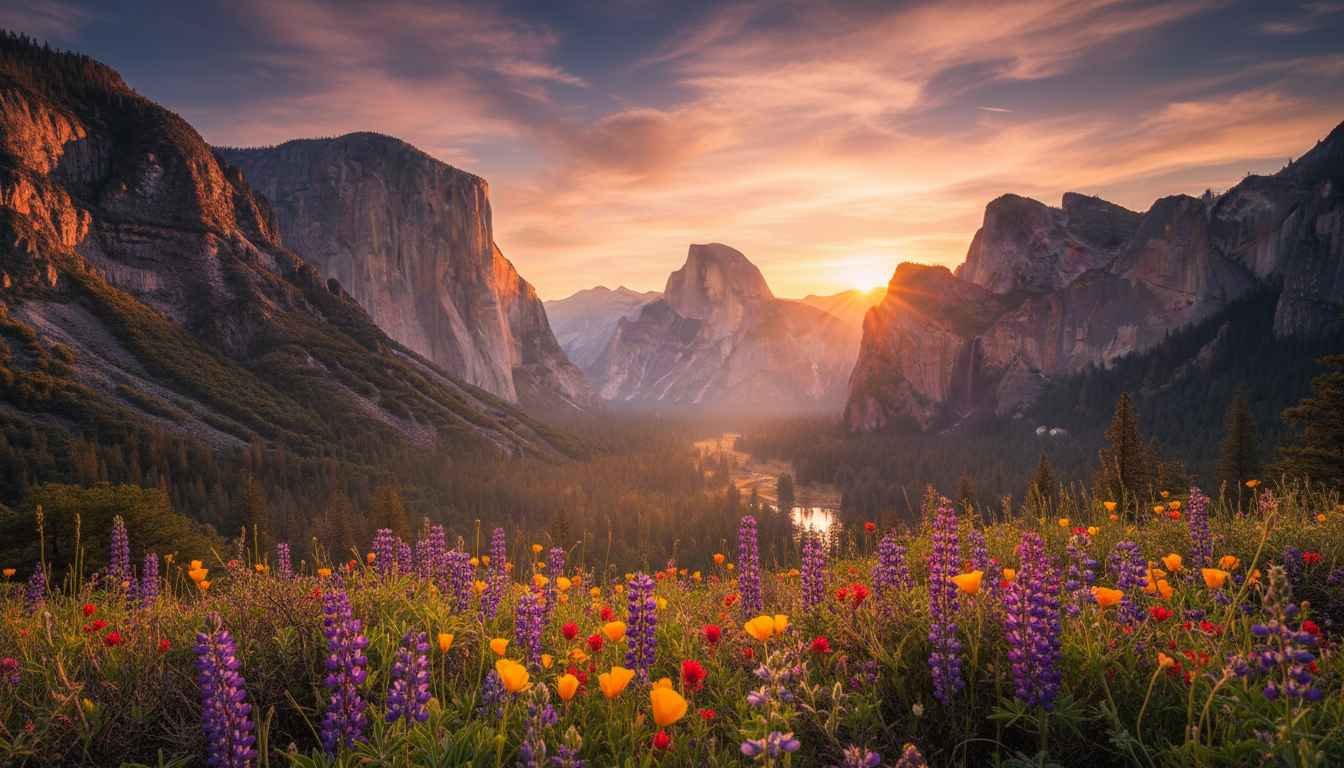
A journey of a thousand miles often begins with a single step, but in California landscape photography, that step is usually onto a sun-drenched cliff, a misty forest path, or a windswept desert plain. California is a playground for photographers, offering jaw-dropping diversity in terrain, light, and seasonal color palettes. From the rugged coastline of Big Sur to the towering sequoias of Yosemite, capturing the essence of these landscapes requires both technical skill and an intimate understanding of nature’s rhythm.
The experience of photographing California landscapes is visceral. You feel the salt spray of the Pacific Ocean on your skin, the crunch of autumn leaves beneath your boots, and the dry heat of the Mojave Desert pressing against your face. Each location demands a different approach, different equipment, and a keen sense of timing. Sunrises over Half Dome, golden hour on Antelope Valley’s poppy fields, and fog rolling over San Francisco’s hills all provide unique challenges and rewards. Knowing how to navigate these conditions while wielding a camera can transform a simple snapshot into a breathtaking visual story.
California landscape photography also offers unmatched flexibility. Whether you’re a professional shooter or an enthusiast with a mid-range DSLR, there are options for every skill level. Shooting with a wide-angle lens in Yosemite, experimenting with long exposures along the Pacific Coast Highway, or chasing light across Death Valley provides endless creative possibilities. For those seeking professional-grade gear, Filmtools offers cameras, lenses, lighting setups, and accessories that can elevate your craft and help you tackle challenging environments with confidence.
Pros of California Landscape Photography
Diverse Landscapes
One of the biggest advantages is California’s unparalleled variety. Coastal cliffs, dense forests, rolling hills, deserts, and mountain ranges all exist within a few hours of each other. This means you can photograph dramatically different scenery without traveling far. The dynamic topography allows photographers to experiment with different compositions, lighting conditions, and techniques, creating a portfolio that is both versatile and visually striking.
Year-Round Opportunities
Unlike regions with severe seasonal limitations, California offers photographic opportunities throughout the year. Snow-capped peaks in winter, blooming wildflowers in spring, sun-soaked beaches in summer, and colorful foliage in fall ensure there is always something to capture. The constant variety helps photographers refine their skills across multiple environments, which is invaluable for professional portfolios and personal growth alike.
Iconic Locations
California is home to some of the world’s most famous landscapes. National parks like Yosemite, Sequoia, Joshua Tree, and Redwood provide iconic vistas that are recognized globally. Capturing these scenes allows photographers to challenge themselves while creating images that resonate with audiences worldwide. Even lesser-known spots like Pinnacles National Park or the Eastern Sierra offer unique perspectives that can set your work apart.
Strong Photographic Community
Another benefit is the supportive local photography scene. Workshops, meetups, and guided tours are common, providing opportunities to learn from experienced photographers. This community aspect helps newcomers improve their technical skills, gain insights on the best shooting times, and discover hidden gems often overlooked by casual tourists.
Varied Lighting Conditions
California’s diverse geography also creates dramatic lighting opportunities. Coastal fog, desert sun, and mountain shadows offer dynamic contrasts that enhance images. Photographers can experiment with golden hour, blue hour, and mid-day lighting to create moods ranging from serene to dramatic. Mastering these lighting conditions is crucial for producing compelling landscape images.
Cons of California Landscape Photography
High Competition and Crowds
Many iconic locations attract large numbers of photographers and tourists. Yosemite Valley, Big Sur, and Lake Tahoe can become crowded, especially during peak seasons. Crowds may interfere with composing shots, requiring patience or off-peak visits. For some, the presence of others can disrupt the contemplative experience of connecting with nature.
Challenging Weather and Terrain
Weather can be unpredictable. Coastal fog can obscure views, desert heat can be intense, and mountain conditions can change rapidly. Navigating rough terrain requires physical stamina and proper equipment, which may not be suitable for everyone. Additionally, some areas demand permits or access fees, adding complexity to planning.
Cost Considerations
Photography in California can be expensive. Travel, accommodation, park entry fees, and gear investment all add up quickly. High-quality lenses, filters, and tripods can significantly enhance your work, but the initial financial outlay is not trivial. Balancing cost with creative ambition is an essential consideration for serious photographers.
Potential Drawbacks
For beginners, the sheer scale and diversity of landscapes can feel overwhelming. Learning to read light, choose compositions, and navigate the environment takes time. Additionally, certain areas may pose safety risks, such as unstable cliffs, wildlife encounters, or extreme temperatures. Patience, preparation, and research are essential to avoid accidents or frustration during shoots.
Time & Cost Estimate
Planning a California landscape photography trip typically requires 1–3 weeks for meaningful exploration, depending on the number of locations. Budget estimates range from $2,000 to $6,000 for mid-range travel, including accommodation, car rental, park fees, and moderate gear upgrades. For professionals seeking top-tier equipment and extended trips, costs can escalate beyond $10,000. The payoff, however, is a diverse portfolio and memorable photographic experiences.
Who Should Avoid This?
Landscape photography in California may not suit everyone. Those with limited mobility, extreme sensitivity to weather, or a low tolerance for extended outdoor activity might struggle with the physical demands. Additionally, photographers unwilling to invest in planning, research, and potentially costly gear may find the experience frustrating rather than rewarding. For these individuals, focusing on local or urban photography may offer a more manageable alternative.
Tips for Maximizing Your California Landscape Photography Experience
Scout Locations in Advance
Use maps, online forums, and apps to identify the best vantage points. Knowing the terrain and lighting conditions ahead of time reduces wasted effort and ensures more successful shoots.
Invest in Versatile Gear
A wide-angle lens for expansive vistas, a sturdy tripod for long exposures, and filters for controlling light can significantly enhance your results. Renting equipment from places like Filmtools can help you access high-quality gear without long-term investment.
Plan for Optimal Light
Golden hour and blue hour provide the most dramatic and flattering natural light. Arriving early or staying late allows you to capture moods that daylight alone cannot achieve.
Respect Nature and Regulations
Many parks have strict rules to protect landscapes. Following guidelines ensures your safety and preserves locations for future photographers. Leave no trace and be mindful of wildlife and fragile ecosystems.
Experiment with Perspectives
Vary your compositions by shooting from high vantage points, low ground, or through natural frames like tree branches or rock formations. Creative angles can transform familiar landscapes into unique images.
Conclusion
California landscape photography offers an extraordinary combination of diversity, challenge, and reward. The sensory experience of traversing mountains, deserts, and coastline while wielding your camera is unmatched. Pros include stunning scenery, year-round opportunities, iconic locations, and a supportive community. Cons involve high costs, potential crowds, unpredictable weather, and physical demands. Understanding both sides allows photographers to prepare effectively, enjoy their craft fully, and create images that resonate for years to come.